
Your Neighbor:
Bennett J.
Edina, Minnesota
Why did you choose solar?
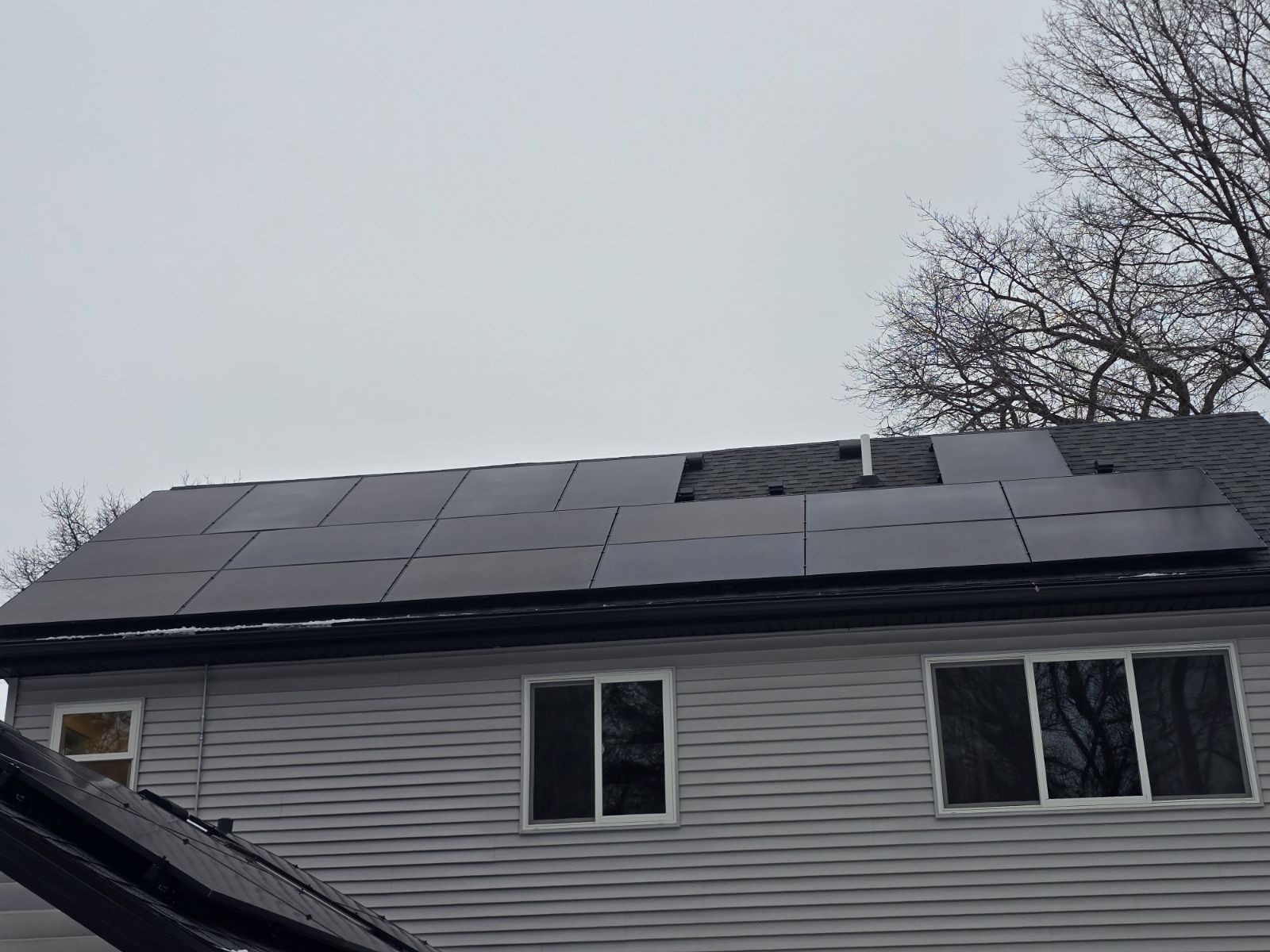
Bennett's household runs on a lot of electricity. Between the house and charging a Tesla, the family uses around 24,000 kWh a year, split across two meters. That kind of usage makes the utility bill one of the bigger monthly expenses, and it only grows as rates climb. Bennett's goal was simple: put the biggest system the roof could hold to work and offset as much of that usage as possible. Timing mattered too. He wanted to lock the project in while the federal solar tax credit was still available, which made a full-size system the obvious choice rather than starting small and adding on later.
What was your buying process like?
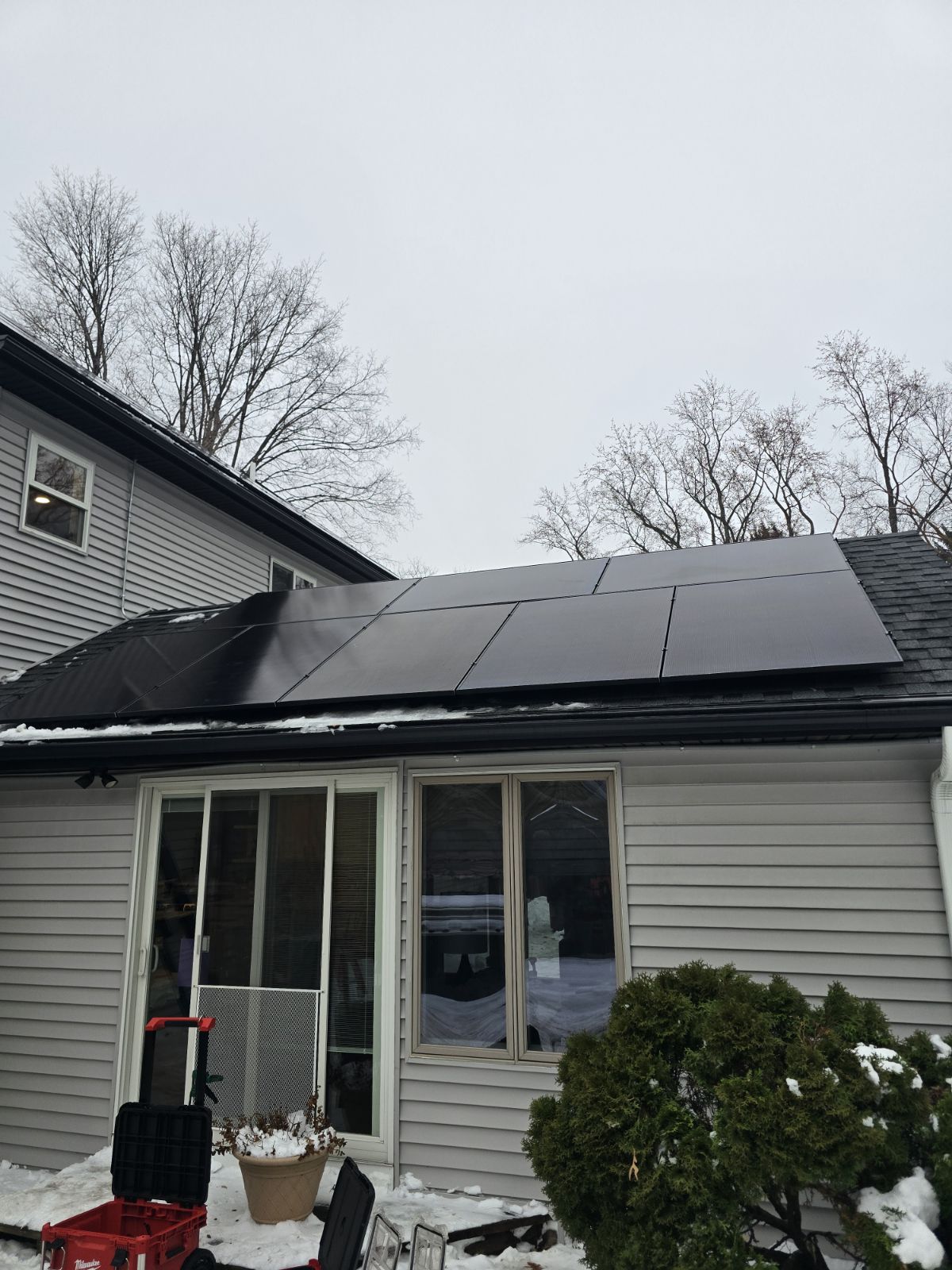
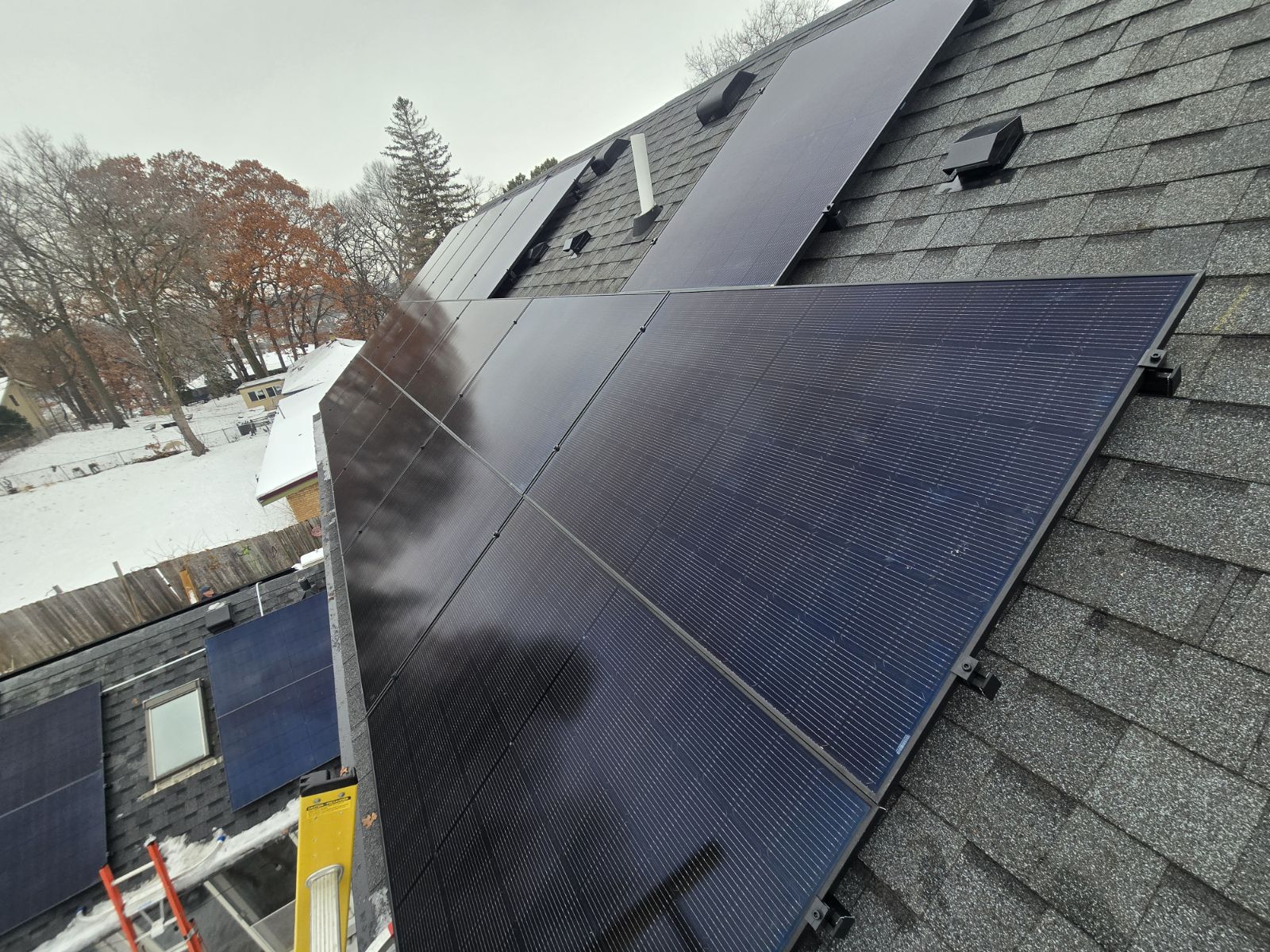
Bennett approached solar the way he would any other investment. He collected three quotes and lined them up side by side on system size, equipment and projected production. One competitor's production estimate looked noticeably better than the rest, so he asked Dylan about it. Dylan showed him why: that estimate ignored shading on the roof and inverter clipping, two things that quietly cut real-world output. Bennett also asked about adding three more panels so the array would look symmetrical on the roof, and Dylan re-ran the numbers the same day. The final design came in at 48 panels and 20.64 kW, projected to produce about 20,370 kWh a year.
Why did you choose Centauri?
A friend who had compared the same three installers told Bennett that Centauri was the best of the group, and by then Bennett had already landed on us on his own. What sealed it was getting straight answers on everything from panel brands to battery options, plus production numbers that held up when he checked them. For a buyer who reads the fine print, an honest estimate counts for more than an optimistic one.
20.64
System Size (kW)
48
Panels
20,370
Annual kwh*
-
Annual Bill Offset*
*Estimates based on predicted production and customer’s current energy usage.
Is your system producing at the estimated rate?
Yes. Even with the Tesla charging at home, the household is producing more than it uses. Every panel has its own Enphase microinverter, so the system reports production panel by panel and a shaded or underperforming module never drags down the rest of the array.
How was the installation process?
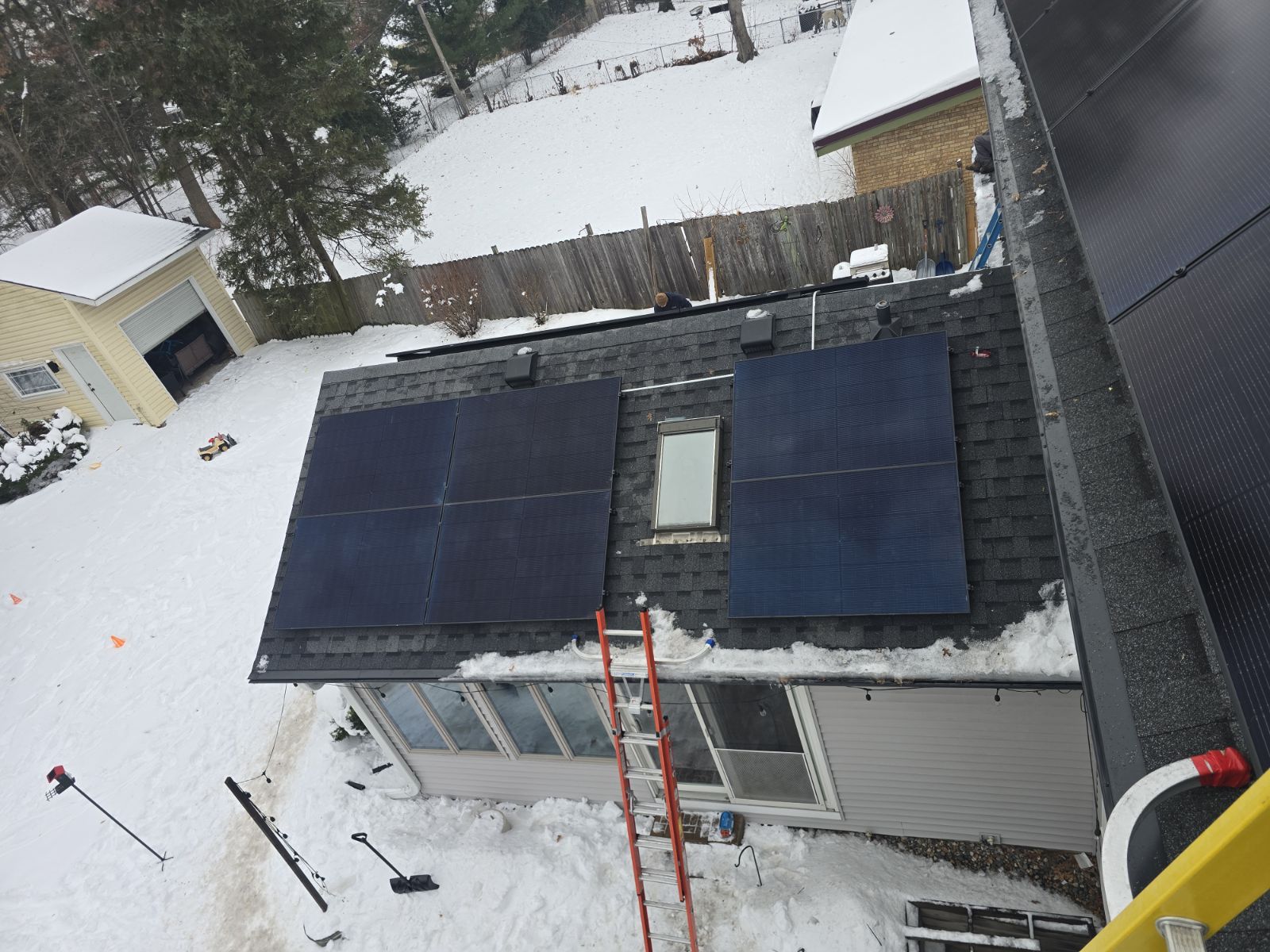
This was a tough year to go solar in Xcel territory. Program funding ran out partway through, the utility's portal had issues, and the project was flagged for an extra engineering review. Our project team stayed on top of each step and kept Bennett updated as things moved. Once approvals cleared, the crew installed all 48 panels in January, in a Minnesota winter, and the system passed its inspections and was turned on right after. A winter install means the system is already producing when the long summer days arrive.
Equipment Installed:
Panels: SEG 430W
Inverter(s): Enphase IQ8AC microinverters
Energy Storage: None
Would you recommend Centauri to a friend?
Bennett went from three competing quotes to a 48-panel system that is out-producing his household, Tesla included. If you want an installer who will give you real numbers and stick with you when the utility makes things complicated, we would be glad to run yours.


