
Solar energy has become one of the most popular and sustainable ways to power homes and businesses. But how does it all work? How can sunlight be transformed into usable electricity? If you’ve ever wondered about the inner workings of a solar energy system, this blog post will walk you through the process from start to finish.
Solar Panels: Capturing the Sun’s Energy

The heart of any solar system is the solar panels. These panels are made up of photovoltaic (PV) cells, which are responsible for converting sunlight into electricity. When sunlight hits the PV cells, it excites the electrons within the material, generating direct current (DC) electricity.
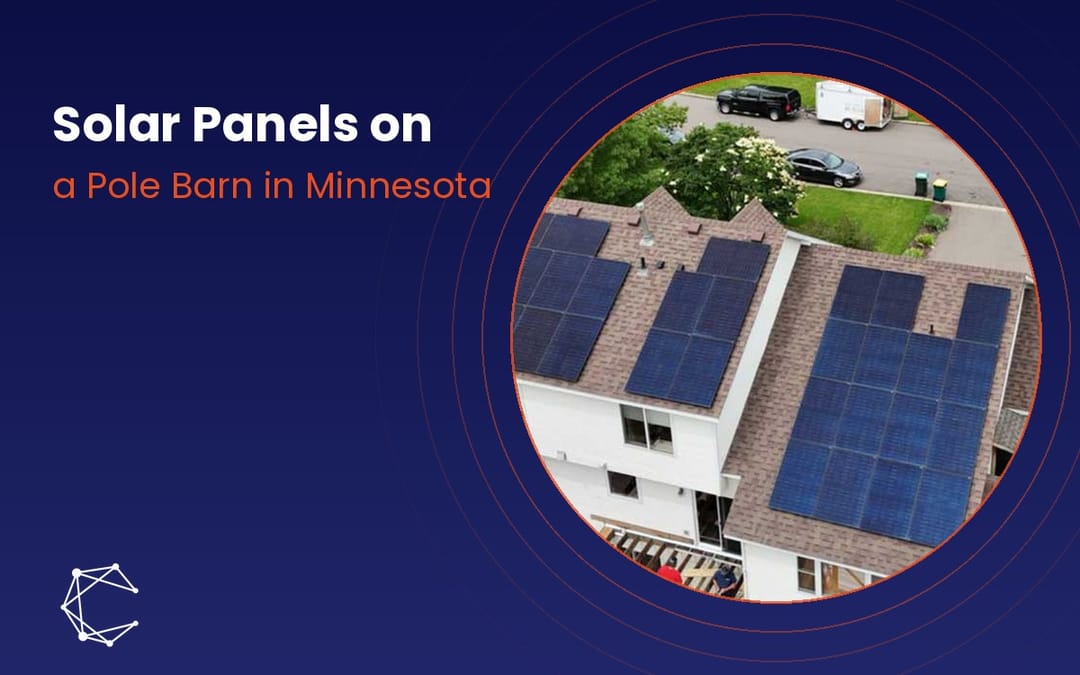
The solar panels are typically installed on the roof of your home or building, facing the sun for maximum exposure. Depending on the size of the system, a typical residential solar setup might include anywhere from 10 to 30 panels, all working together to collect energy.
Micro-Inverters: Converting DC to AC

Once your solar panels generate DC electricity, it needs to be converted into alternating current (AC) electricity, which is what most home appliances use. This is where micro-inverters come into play.
Micro-inverters are small devices attached to each solar panel that convert the DC electricity into AC electricity. Unlike traditional inverters that convert the energy for the entire system at once, micro-inverters work independently for each panel, maximizing efficiency and performance. If one panel gets shaded or doesn’t work properly, the others continue to function at full capacity, ensuring that your system performs optimally even under less-than-ideal conditions.
Enphase Envoy: Monitoring and Managing Your System

To keep track of your solar energy production, the Enphase Envoy plays a crucial role. The Envoy is a smart communication hub that connects all the micro-inverters in your system. It sends real-time data about your solar energy production and consumption to your smartphone or computer, allowing you to monitor the performance of each individual panel.
The Envoy system is part of the Enphase ecosystem, providing detailed analytics on the energy your system generates and any potential issues. It helps homeowners optimize their energy use, track savings, and ensure their system is running efficiently.
Electrical Meter: Measuring Your Energy Usage

Once the electricity is converted into AC power, it flows into your home’s electrical system. Your electrical meter is used to measure the amount of energy you consume from the grid and how much energy your solar system is generating.
In many areas, utilities offer net metering programs, where excess solar power that you don’t use is sent back to the grid. This helps offset your energy costs, and in some cases, you can even earn credits for the electricity you send back. The electrical meter tracks both your consumption from the grid and your solar contributions to ensure accurate billing.
Battery Storage: Store Energy for Later (Optional)

While solar energy is abundant during the day, what happens when the sun goes down? To store excess energy for use at night or during cloudy days, many homeowners opt for battery storage systems.
Battery storage systems allow you to store any extra electricity your solar panels generate during the day so you can use it when the sun isn’t shining. This can provide significant energy independence, reducing or eliminating the need to purchase electricity from the grid at night or during peak hours. Batteries are especially useful in areas with frequent power outages or where the grid is unreliable.
Some of the most popular battery storage systems include Tesla Powerwall and LG Chem Resu, both of which integrate seamlessly with your solar energy system. Though optional, battery storage can greatly enhance the overall value and reliability of your solar power setup.
Home and Grid: How They Work Together

In a typical solar setup, your home uses the energy generated by your solar panels to power your appliances and devices. Any excess energy that your home doesn’t use can be sent back to the grid. In areas with net metering, you can receive credit for this excess energy, which can offset future energy bills.
If your solar panels are generating more energy than you need and you have battery storage, the excess energy will be stored in the battery for later use. If your solar panels aren’t producing enough electricity to meet your needs (for example, on a cloudy day), your home can draw power from the grid to make up the difference.
The combination of solar panels, micro-inverters, the Enphase Envoy, and optional battery storage creates a dynamic and efficient energy system that reduces reliance on fossil fuels, lowers energy costs, and increases energy independence.
A Smart, Sustainable Energy Solution
In simple terms, solar energy works by capturing the sun’s energy with solar panels, converting it into usable electricity with micro-inverters, and providing you with real-time data through the Enphase Envoy. By utilizing an electrical meter to track energy usage and sending excess power back to the grid (or storing it in a battery), solar energy systems offer a highly efficient, sustainable, and cost-effective way to power your home.
Whether you’re looking to reduce your carbon footprint, save on energy bills, or gain greater energy independence, solar energy is an investment that benefits both you and the planet. With the right combination of technology and planning, solar energy can power your home reliably for many years to come.


0 Comments