
Energy bills can take a big bite out of household expenses, but with a few strategic adjustments, you can start seeing real savings. Here are 15 effective ways to lower your energy consumption and monthly costs, with each tip rated for effectiveness in reducing energy bills. From low-cost tweaks to larger investments, these ideas can make a noticeable difference.
1. Upgrade to LED Lighting

Effectiveness: ⭐⭐⭐
LED bulbs use up to 75% less energy than incandescent bulbs and last much longer, making this a quick and affordable switch with fast results.
2. Seal Windows and Doors

Effectiveness: ⭐⭐⭐⭐
Drafts around windows and doors make your HVAC system work harder. Apply weather stripping or caulk to seal gaps, or consider energy-efficient windows for a longer-term solution. Check out this guide on sealing windows from ENERGY STAR.
3. Install a Programmable or Smart Thermostat

Effectiveness: ⭐⭐⭐⭐⭐
A programmable or smart thermostat adjusts your home’s temperature based on when you’re home or away, reducing energy costs. Smart thermostats offer remote control and learning features to optimize usage even further.
4. Optimize Water Heater Temperature

Effectiveness: ⭐⭐⭐
Water heaters are often set to 140°F, but reducing it to 120°F can cut costs without affecting comfort. Insulating the water heater and pipes can help, too.
5. Use ENERGY STAR Appliances

Effectiveness: ⭐⭐⭐⭐
ENERGY STAR-certified appliances are designed to consume less electricity. Look for this label when replacing items like refrigerators, washers, and dishwashers for long-term savings.
6. Regularly Clean or Replace Air Filters

Effectiveness: ⭐⭐⭐
Dirty filters restrict airflow, forcing HVAC systems to work harder. Clean or replace filters every 1–3 months, especially in high-usage seasons, to keep your system efficient and reduce costs.
7. Leverage Natural Light

Effectiveness: ⭐⭐
Opening blinds and curtains during the day reduces the need for artificial lighting and helps warm rooms in winter. Just remember to close them at night to keep heat inside. Find more tips on daylighting.
8. Use Ceiling Fans Year-Round

Effectiveness: ⭐⭐⭐
Ceiling fans help distribute air, making it feel cooler in summer and circulating warm air in winter. Set them counterclockwise for summer and clockwise for winter for the best effect.
9. Wash Clothes in Cold Water

Effectiveness: ⭐⭐⭐
Washing clothes in cold water reduces energy consumption since heating water accounts for about 90% of the washer’s energy use. Check out cold-water detergents designed to work effectively in lower temperatures.
10. Unplug Devices & Use Power Strips

Effectiveness: ⭐⭐
Devices like chargers and TVs consume energy even when turned off, known as “phantom load.” Power strips make it easy to switch multiple devices off, and unplugging is an even better way to prevent energy waste.
11. Add Attic Insulation

Effectiveness: ⭐⭐⭐⭐⭐
Adding insulation to the attic is one of the most effective ways to stabilize indoor temperatures and reduce HVAC load, especially in older homes. Check out this insulation guide for more tips on getting started.
12. Invest in Solar Panels

Effectiveness: ⭐⭐⭐⭐⭐
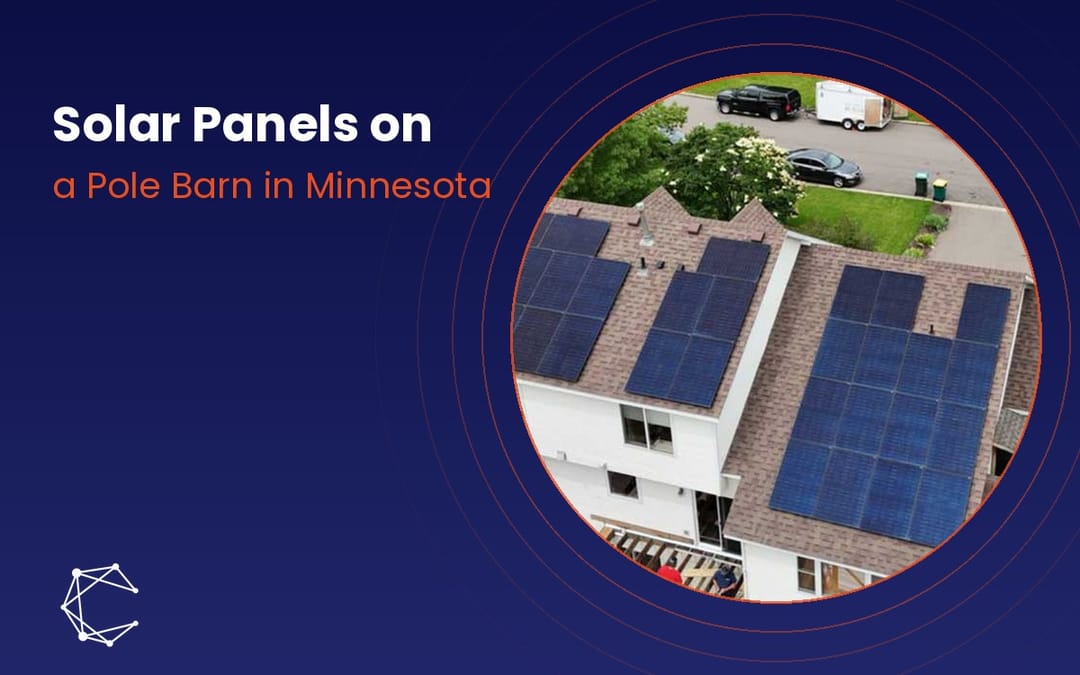
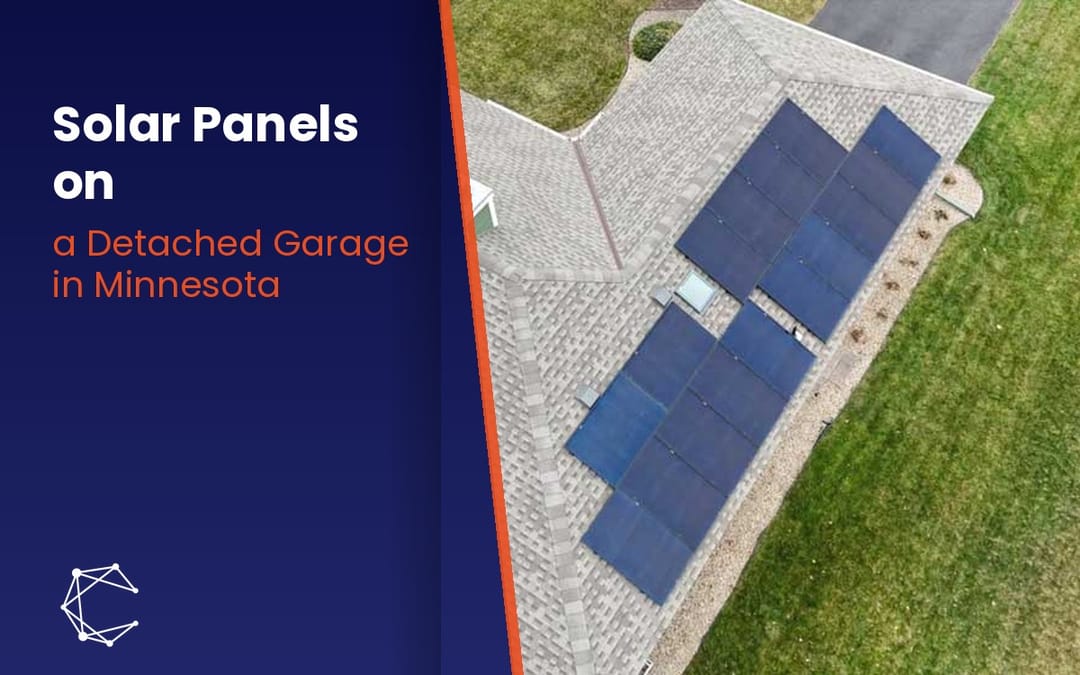
Installing solar panels is a long-term solution that reduces your reliance on the grid, potentially leading to significant monthly savings. With incentives and rebates available, solar can be more affordable than ever.
13. Install Low-Flow Showerheads

Effectiveness: ⭐⭐⭐
Low-flow showerheads reduce water usage, which in turn lowers the demand for hot water and energy. This simple swap can have an impressive impact on both water and energy bills.
14. Switch to a Tankless Water Heater

Effectiveness: ⭐⭐⭐⭐
Tankless water heaters only heat water on demand, reducing the standby energy loss common with tank heaters. Though they can be an investment, tankless water heaters often pay off with energy savings over time. Explore more on tankless options.
15. Use Window Treatments for Insulation

Effectiveness: ⭐⭐⭐
Window treatments like insulating curtains or shades help retain heat in winter and block out sun in summer, taking some load off your HVAC system. Learn more about choosing the right window treatments.

0 Comments