
In Minnesota, as across the United States, solar energy is increasingly seen as a solution to environmental concerns and rising energy costs. However, for homeowners in neighborhoods governed by a Homeowners Association (HOA), installing solar panels can come with its own set of challenges. While it is widely recognized that solar energy offers numerous benefits—ranging from reducing electricity bills to supporting green energy initiatives—HOAs have long had an influence over how homeowners can modify their properties. Recent laws in Minnesota, however, aim to strike a balance between a homeowner’s right to install solar panels and the HOA’s responsibility to maintain the aesthetic and cohesion of a community.

What Does the Law Mean for Solar Panel Installations?
Under Minnesota law, homeowners have clear protections when it comes to installing solar panels on their property. One of the most important aspects of these laws is the guarantee that HOAs cannot make it too expensive or difficult for homeowners to install solar panels. This means that while HOAs can place reasonable restrictions on the appearance or placement of solar panels, they cannot place barriers that would make the installation prohibitive or unreasonably expensive. For example, an HOA cannot require exorbitant fees or impose unnecessary restrictions that would prevent a homeowner from installing solar panels if they wish to do so.
Moreover, the law stipulates that HOAs cannot prevent homeowners from installing solar panels altogether. This is an important clarification because, in the past, some HOAs may have had policies that effectively blocked solar installations. With the new laws in place, homeowners are assured that the installation of solar panels cannot be outright denied as long as the installation adheres to reasonable HOA rules.
However, it is important to note that homeowners must still comply with reasonable HOA guidelines. For example, an HOA may regulate the placement or appearance of solar panels to ensure they do not disrupt the neighborhood’s visual character. These regulations are generally focused on things like the panel’s size, the type of installation, and whether the panels are visible from the street. While these restrictions cannot prevent homeowners from going solar, they are meant to help balance individual energy choices with the overall aesthetics of the community.

What Can Homeowners Do?
For homeowners in Minnesota who want to install solar panels, there are several proactive steps to take to ensure the process runs smoothly and efficiently.
Learn About Solar Access Laws: Understanding the state’s solar access laws is one of the most important things a homeowner can do before embarking on a solar installation project. Minnesota has laws in place that protect homeowners’ rights to install solar energy systems, ensuring that solar access is not blocked by unnecessary restrictions. These laws guarantee that homeowners have the ability to harness solar energy as long as their installation complies with reasonable HOA rules. Familiarizing yourself with these regulations will empower you as you navigate the solar installation process and interact with your HOA.
Know Your Rights: When considering solar panels, it’s important to be aware of your legal rights under state law. Solar energy is increasingly recognized as a sustainable and cost-effective solution, and homeowners in Minnesota are protected from arbitrary HOA restrictions that would prevent them from going solar. Being aware of these rights can help homeowners advocate for themselves if an HOA pushes back or imposes unreasonable restrictions. This knowledge can also help guide decisions about panel placement, size, and visibility, ensuring that the installation meets both your energy needs and the HOA’s aesthetic standards.
Work with a Solar Panel Installer: Navigating the technical and regulatory aspects of solar panel installation can be complex, which is why it is advisable to work with a professional installer who is familiar with both the installation process and local regulations. A qualified solar installer can provide valuable guidance on the best type of solar system for your home, assist in securing permits, and ensure the installation complies with both state law and HOA rules. Additionally, installers can often help homeowners secure financial incentives, such as tax credits or rebates, that can help offset the upfront costs of the installation.
Consider the Costs: Installing solar panels is an investment, and it’s essential to evaluate the overall costs involved. These costs may include the price of the solar panels themselves, labor for installation, and any necessary roof upgrades. The condition of your roof can be a key factor in determining whether additional repairs or reinforcements are needed before the installation can proceed. However, it’s also crucial to consider the long-term savings on electricity bills, which can make the investment worthwhile. Solar panels can significantly reduce or even eliminate monthly electricity costs, offering homeowners a substantial return on investment over time.

What Can HOAs Do?
While homeowners have strong legal protections when it comes to installing solar panels, HOAs also have a role to play in ensuring that these installations are integrated smoothly into the community. By working collaboratively with homeowners, HOAs can help facilitate the adoption of solar energy while still maintaining the character of the neighborhood.
Review and Amend Architectural Guidelines: One of the most important actions an HOA can take is to review and amend its architectural change request procedures to ensure they align with state laws regarding solar energy. In many cases, HOAs may have outdated or overly restrictive guidelines that hinder homeowners’ ability to install solar panels. By revising these rules to accommodate solar energy systems, HOAs can ensure that the community is not only supporting environmental sustainability but also remaining compliant with the law. It’s crucial for HOAs to stay up to date on solar access laws and understand the rights of homeowners when it comes to renewable energy.
Ensure Timely Responses to Applications: HOAs should make it a priority to process and respond to applications for solar panel installations in a timely manner. Delays in approval can be a significant barrier for homeowners who are eager to adopt solar energy, especially when there are incentives or tax credits tied to a specific installation timeline. By ensuring that applications are processed efficiently and without unnecessary delays, HOAs can support homeowners in their efforts to go solar while minimizing frustration and confusion.
Conclusion
In Minnesota, the legal landscape for solar panel installations is evolving to ensure homeowners have the freedom to adopt solar energy, even in HOA-governed communities. Homeowners are guaranteed the right to install solar panels, provided they adhere to reasonable guidelines that protect both their property rights and the aesthetic standards of the community. Understanding solar access laws, knowing your rights, and working with professionals are key steps for homeowners looking to make the switch to solar energy.
How HOA Rules Affect Solar Panel Installations in Minnesota
In Minnesota, as across the United States, solar energy is increasingly seen as a solution to environmental concerns and rising energy costs. However, for homeowners in neighborhoods governed by a Homeowners Association (HOA), installing solar panels can come with its own set of challenges.
While it is widely recognized that solar energy offers numerous benefits—ranging from reducing electricity bills to supporting green energy initiatives—HOAs have long had an influence over how homeowners can modify their properties. Recent laws in Minnesota, however, aim to strike a balance between a homeowner’s right to install solar panels and the HOA’s responsibility to maintain the aesthetic and cohesion of a community.
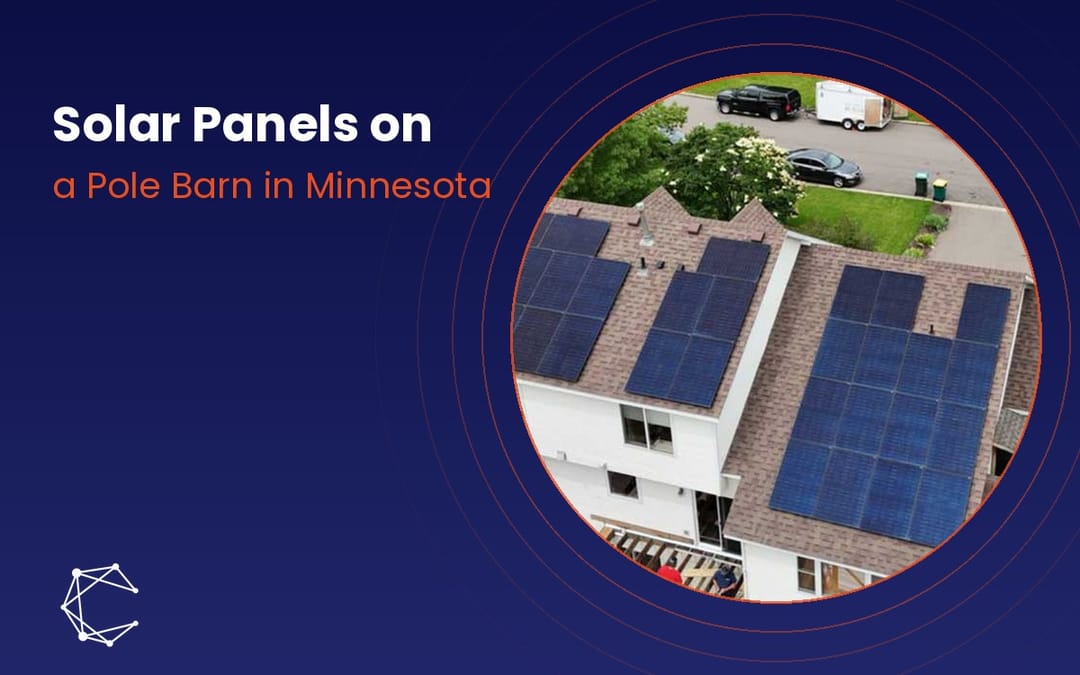
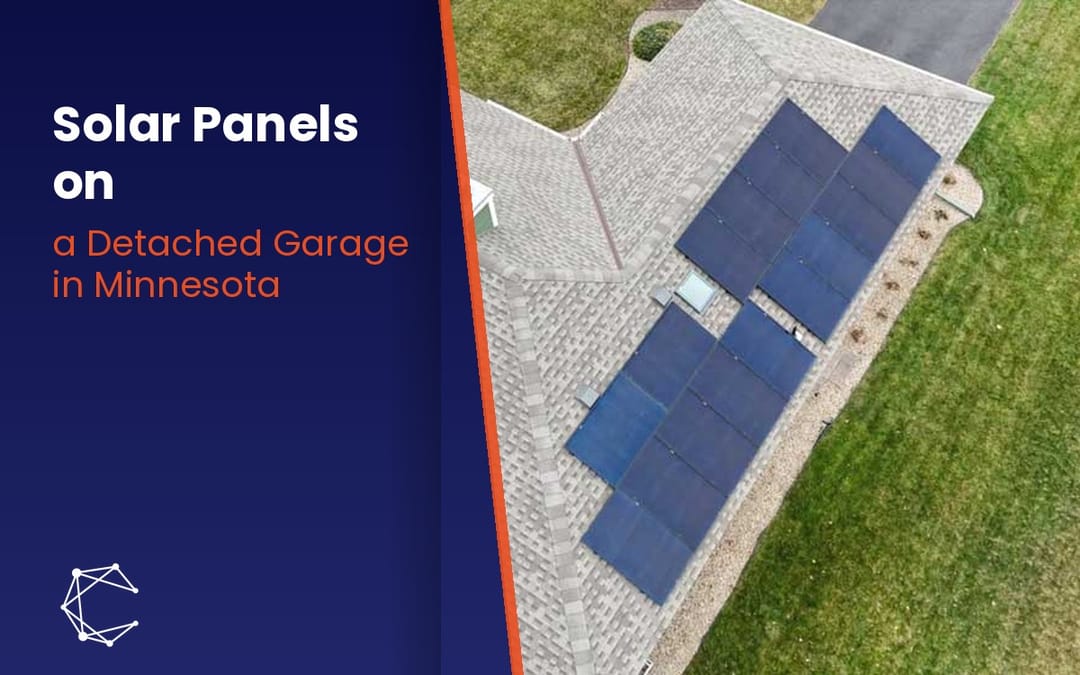

We’ve finally received a request from a new townhome buyer to install a solar energy system on the townhome they purchased. Their initial change request was rejected by the architectural review committee for: 1) the contractor that replaced the roof on the building would cancel their warranty on the roof due to the number of breaches in the roof as a result of the panel installation, and 2) the aesthetics of the appearance of the building with panels installed. These are two-unit buildings, and the owners do not own both units of the building. Are we justified in rejecting this request? (Asking for a friend…)
Hi Dan, great question and definitely a common scenario in townhome communities.
You may be justified in denying the request, but the key is how your HOA’s governing documents are written and whether Minnesota’s Solar Access Law (Statute 500.30) applies in your case. While the law generally prohibits unreasonable restrictions on solar, it does allow HOAs some discretion, particularly in shared structures like duplexes or townhomes with jointly owned roofs.
In your situation:
Roof Warranty Concerns – This is a valid reason for caution. If the roof warranty would be voided by a solar installation, the HOA could reasonably reject the proposal unless the homeowner agrees to cover future roof issues or provide an alternative mounting solution that preserves the warranty.
Shared Ownership – Since the roof is shared and the owner doesn’t own both units, unilateral changes can affect the neighboring unit. Most HOAs require unanimous consent for any changes to shared elements.
Aesthetic Consistency – If your HOA’s guidelines include language on maintaining uniform appearance, that may support denial, but it’s wise to ensure the rule is specific and enforceable.
Our recommendation is to encourage the homeowner to resubmit with supporting documents. These could include a revised proposal using a shared mounting solution, contractor assurances on waterproofing and warranties, and neighbor consent if required. This helps your committee stay transparent and cooperative while protecting the community.