
Winter presents unique challenges for solar power systems, but it doesn’t mean you have to sacrifice efficiency. With proper planning and maintenance, you can keep your solar setup performing at its best, even during shorter, colder days. By following the steps outlined below, you can ensure your solar panels provide reliable energy all season long.
Ask Your Installer What the Optimum Angle for Snowshed and Energy Efficiency Is
One of the most critical steps in maximizing solar efficiency during winter is ensuring your panels are installed at an angle that balances energy efficiency and snow management. The position of the sun changes throughout the year, sitting lower in the sky during winter.
Your installer can help determine the best angle for your panels based on your location and specific climate conditions. This angle often aligns with your location’s latitude plus 15 degrees, but additional considerations for shedding snow and optimizing sunlight exposure may apply. By consulting a professional during installation, you can ensure your system is set up for maximum efficiency throughout the year.
For those with fixed panels, it might be worth exploring options such as seasonal mounts or adjustable tilt kits. These allow you to adapt your panel angle as the seasons change, improving energy production during winter. Additionally, strategically placing panels to avoid shading from nearby trees or buildings is crucial for maintaining optimal performance during the shorter, darker days of winter. Proper planning and collaboration with your installer can save time and boost energy production in the long term.
Clean Heavy Snow or Debris Off Your Panels
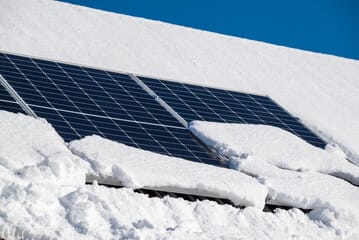
Snow and debris are among the biggest obstacles to solar panel efficiency in winter. A layer of snow can block sunlight, rendering panels ineffective until it melts or is removed. Even a small amount of debris, such as leaves or dirt, can impact the amount of sunlight that reaches the panels, reducing their overall output.
To maintain performance, check your panels after heavy snowfall and gently clear off snow using a soft brush or broom. Avoid using metal tools or abrasive materials, as these could scratch the surface and compromise the integrity of your panels. Investing in a snow rake specifically designed for solar panels can make the job easier and safer. It’s also a good idea to conduct regular inspections for debris throughout the winter.
Even if snow isn’t a problem in your area, falling leaves, dirt, or bird droppings can accumulate on the panels and reduce efficiency. By keeping the surface clean, you ensure your system captures as much sunlight as possible, maximizing energy production.
It’s worth noting that some panels come with a self-cleaning coating, which can make snow and debris removal easier. However, regular manual maintenance is often still necessary to ensure optimal performance. Creating a routine for these inspections can help you stay ahead of any issues.

Free PDF Download
Does Solar Work in Minnesota?
Insulate Your Batteries
If your solar system includes batteries for energy storage, cold temperatures can significantly impact their efficiency. Batteries lose capacity in freezing conditions, which can lead to lower storage capabilities and reduced overall system performance. Protecting your batteries from the cold is essential to maintaining their functionality during winter.
To insulate your batteries, consider storing them in a temperature-controlled area, such as a garage or shed, where they are shielded from extreme cold. If this isn’t an option, invest in thermal battery blankets or insulated enclosures specifically designed for cold climates.
These solutions help maintain a stable temperature around the batteries, ensuring they operate efficiently and last longer. Monitoring your batteries regularly is also important during winter. Check their charge levels and ensure they are functioning properly. By taking these precautions, you can avoid unexpected power shortages and ensure your system remains reliable, even in the coldest weather. For off-grid systems, insulating your battery bank is even more critical.
Without proper insulation, you risk significant drops in storage efficiency during freezing temperatures, which could compromise your entire energy setup. It’s also a good idea to keep an eye on your inverter and charge controller to make sure they’re operating efficiently in colder conditions.
Use Less Energy

In winter, solar panels naturally produce less energy due to reduced daylight hours and weaker sunlight. To make the most of the energy you generate, focus on conserving power wherever possible. Small changes in energy usage can go a long way in maximizing the efficiency of your solar power system.
Upgrading to energy-efficient appliances and LED lighting is one way to reduce overall energy demand, as these use significantly less power than traditional options. Reducing phantom energy use is another critical step. Unplug electronics and appliances when they’re not in use, as they can draw small amounts of power even when turned off. Using programmable thermostats can also optimize heating schedules, ensuring you’re not wasting energy heating an empty home.
Additionally, take advantage of natural light by opening curtains during the day to let in sunlight, reducing the need for artificial lighting and supplemental heating. By implementing these energy-saving strategies, you’ll stretch the power your system produces, giving you more flexibility during the winter months. The less energy you consume, the more efficient and reliable your solar setup will be.
Another helpful practice is to prioritize high-energy tasks, such as running the dishwasher or doing laundry, during peak sunlight hours when your panels are producing the most energy. By aligning your energy usage with your system’s peak performance times, you can make the most of the limited daylight available in winter.
Conclusion
Winter might reduce the amount of sunlight your panels can capture, but that doesn’t mean you can’t maximize their efficiency. By installing panels at the correct angle, clearing off snow and debris, insulating your batteries, and conserving energy, you’ll keep your system running smoothly through the colder months.
These proactive steps not only ensure your solar power system remains a reliable energy source but also help you get the most out of your investment year-round. Stay efficient, stay sustainable—and enjoy the benefits of solar energy, no matter the season! What winter solar strategies have worked best for you? Let us know in the comments below!


0 Comments